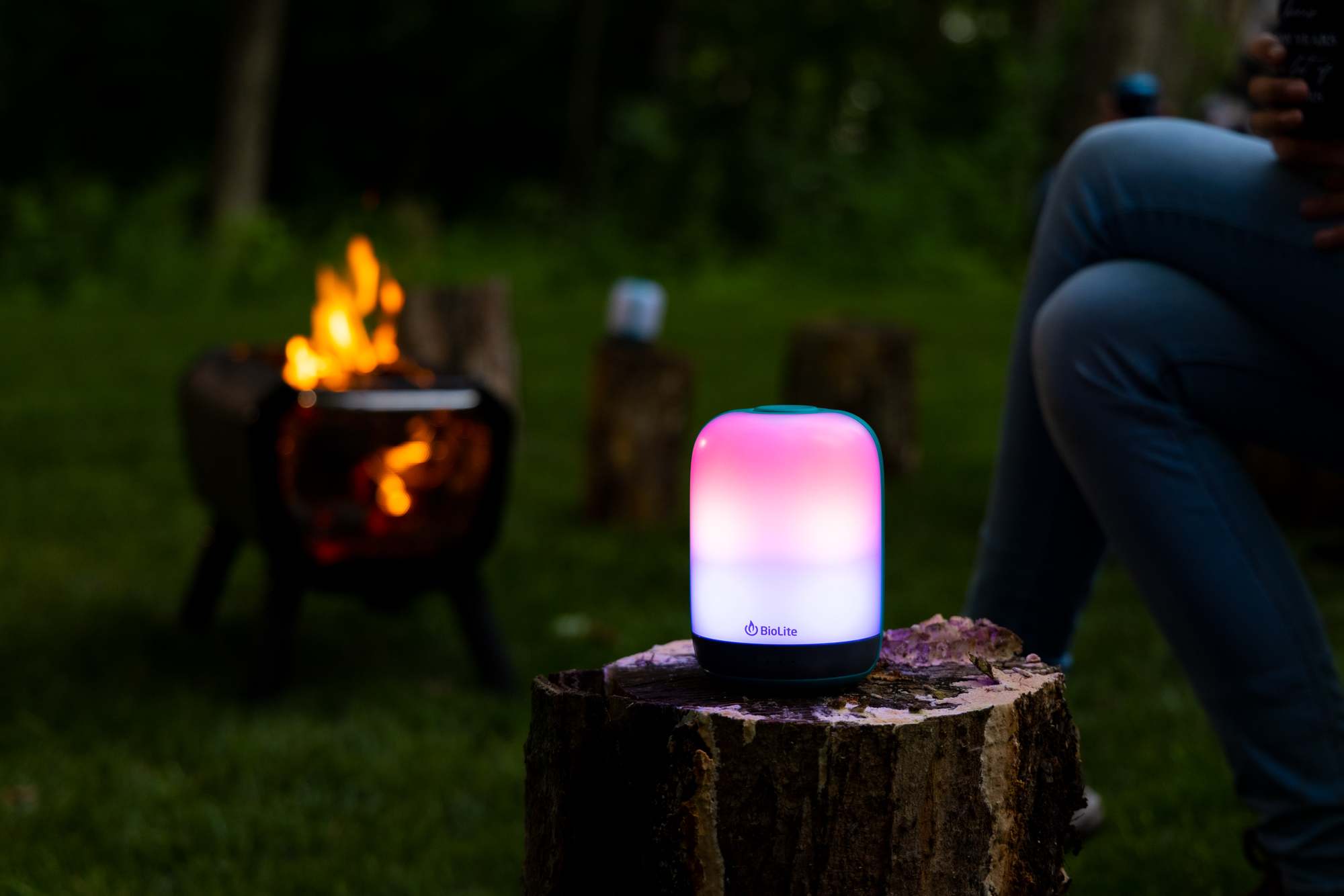

Why does company swag end up in landfills?
Because most of it was never chosen to be kept. It was chosen to hit a budget, fill a table at an event, or check the box on a campaign deliverable.
That sounds harsh, but marketing teams already know it. You can feel the difference between branded merchandise people hold onto for a year and the stuff that gets tossed in a hotel room trash can before the flight home.
The uncomfortable part is that the waste usually starts long before anyone receives the item. It starts in the selection process. If the brief is “find something cheap, fast, and available in 2,000 units,” the outcome is usually forgettable product with a logo on it. And forgettable product does not stay in circulation for long.
When people search for why company swag ends up in landfills, they’re often asking a bigger question: why do smart teams keep spending money on things no one wants? The answer is not that recipients are ungrateful. The answer is that most swag programs are built around unit cost and convenience for the seller, not usefulness for the person getting it.
If you want branded merchandise to stick around, it has to earn its place in someone’s bag, desk, kitchen, or closet. Price matters, of course. But if price is the only thing steering the decision, the landfill outcome is usually baked in from the start.
Is the problem that people do not care about promotional products?
No. People care about useful, well made items. They do not care about low effort objects that feel disposable the second they touch them.
Marketers sometimes get told a comforting story here: people are overwhelmed, attention spans are short, free stuff is hit or miss. There’s some truth in that, but it lets the product off too easily. A good water bottle, a soft tee with a design people would wear anyway, or a notebook that does not fall apart in a week tends to stick. A flimsy stress ball, tangled charging cable, or thin tote with awkward branding does not.
Recipients make this call fast. They judge the item itself, the quality of the decoration, the relevance to their life, and whether your brand seems thoughtful or careless. If the swag feels like filler, your logo becomes part of the problem.
That is why “everyone throws swag away” is the wrong takeaway. People keep things that are useful, attractive, and well timed. They toss things that feel like conference leftovers.
There is also a brand cost hiding inside the waste problem. When your merchandise looks cheap, it quietly says your standards are cheap. Not in a dramatic way. In a small, cumulative way that chips at trust.
Why are so many swag choices driven by price instead of staying power?
Because the usual buying process rewards low unit cost more than long term use. Most teams are shown giant catalogs where the easiest filter is price, not “will anyone still use this in six months?”
That matters more than people realize. When you are picking from thousands of near identical products, the path of least resistance is to compare pennies. You sort by budget, choose a popular category, add a logo, and hope for the best. The whole system nudges you toward “good enough.”
Catalog selling also creates distance from the actual experience of the item. A product page can make almost anything look decent. Clean mockups hide weak materials, awkward proportions, poor print quality, and details that make an item feel cheap in real life. By the time those issues show up, the order has already been placed and the boxes are already on the way.
Marketing teams do not do this because they lack taste. They do it because they are busy, they have deadlines, and the industry trains buyers to shop by line item. If your success metric is “keep cost per piece under a certain number,” then products that are easy to discard will keep winning.
A better metric is cost per kept item. That changes the conversation fast. A notebook that costs less but goes straight into the trash is more expensive than a higher quality item someone uses every day for a year.
If you want a stronger framework for thinking about branded merchandise as a channel instead of a pile of one off orders, this piece on running branded merchandise like a brand channel is worth a read.
How does the traditional distributor model create more waste?
It creates waste by rewarding volume and margin over product fit. The standard model is built to push items from massive supplier catalogs, not to help you carefully choose merchandise people will actually keep.
Here is what that looks like in practice. You ask for ideas. You get pages of options that all look roughly fine on a screen. The easiest recommendations are often items that are widely available, easy to mark up, and simple to repeat across clients. That does not automatically make them bad products. It does mean the selection process is often shaped by seller convenience first.
There is also very little penalty in the model for short product life. If 5,000 units arrive on time and the invoice gets paid, the transaction is considered successful. No one circles back six months later to ask how many recipients still use the item, how many broke, or how many ended up in storage closets and dumpsters after the event.
That blind spot is one reason waste stays normal. The system is optimized around procurement, not retention. And when retention is not measured, cheap volume wins.
For marketing leaders, this is the real issue to diagnose. You may think you have a swag taste problem, a budget problem, or an event planning problem. Often you have a selection model problem. The structure pushes your team toward items that look efficient on a spreadsheet and disappointing in real life.
If that sounds familiar, you are not alone. It is one of the reasons companies start looking for a more modern approach to swag management after years of repeating the same cycle.
What kind of swag actually avoids the trash?
Swag avoids the trash when it is relevant, durable, and appropriate for the moment. People keep branded merchandise that solves a small problem or fits naturally into their routine.
Usefulness is the first test. A quality mug for a hybrid team, a well made backpack for a field event, or an onboarding kit with items people need in week one has a reason to stay. Novelty without purpose fades fast.
Quality is the second test. Recipients can tell when material, weight, print, stitching, or packaging is off. You do not need luxury everything. You do need products that feel intentional. The sweet spot is not “most expensive.” It is “worth keeping.”
Context matters too. Event swag, employee onboarding kits, and corporate gifting should not all pull from the same playbook. A trade show giveaway has one job. A welcome gift has another. A customer gift sent after a big milestone should feel more personal than a bulk handout from a booth.
Brand restraint helps. If the logo dominates the product, people are less likely to use it in everyday life. Good branded merchandise respects how recipients actually live. The best items feel like real products first and branded objects second.
Teams that want better results usually do well with tighter assortments and stronger standards. Fewer choices, better picks, clearer use cases. If you are rethinking what belongs in your program, Avail’s styleguide and sustainability pages offer a practical starting point.
How can marketing teams reduce swag waste without giving up impact?
Start by buying less stuff and making better choices. Waste usually drops when teams get more selective, not more creative with messaging about sustainability.
One useful shift is to stop ordering generic fillers just to make a program look bigger. Bigger kits are not always better kits. More SKUs do not create more value. If two great items will be kept and four weak ones will be tossed, the stronger program is obvious.
Another shift is to plan around audience and use case before product category. Ask what the recipient will actually do with the item next week, next month, and next quarter. If there is no clear answer, keep looking.
Sampling matters. So does honest review. Touch the product, test the decoration, and ask slightly uncomfortable questions before approving a large run. Would you use it yourself? Would you be fine receiving it without a logo? Would it still feel good after 20 washes or six weeks in a backpack?
Inventory discipline helps too. Overstock becomes waste in slow motion. Teams often throw away old merchandise not because it is damaged, but because branding changed, an event was canceled, or no one had a clean way to track what was sitting in storage. A more intentional program reduces both recipient waste and company side waste.
If your team is trying to clean up the operational side, this overview of swag management and Avail’s page for marketing teams show what a more controlled approach can look like.
When should you rethink your swag program instead of just swapping products?
You should rethink the whole program when bad outcomes keep repeating across campaigns. If items are regularly left behind, stored forever, or reordered with low confidence, the issue is bigger than one weak product choice.
Look for patterns. Your event team says giveaways disappear into bins at teardown. Your people team has leftover onboarding kits from last quarter. Sales wants gifts, but no one trusts the options. Finance keeps seeing spend without any clear sense of what worked. Those are signs the program itself needs attention.
In problem aware moments like this, the goal is not to panic and ban swag. It is to fix the decision system behind it. Better intake, better product standards, better inventory visibility, and better alignment between brand, audience, and timing can change the results fast.
This is exactly the kind of problem a swag management platform solves. Here is how Avail approaches it.
TLDR
- Company swag ends up in landfills mostly because it is chosen for low cost and fast ordering, not for long term use.
- People do keep promotional products when they are useful, well made, and suited to the moment.
- The traditional catalog and distributor approach often rewards volume and margin over product fit, which leads to more disposable merchandise.
- Marketing teams can reduce waste by buying fewer filler items, sampling more carefully, and planning around recipient use instead of category popularity.
- If weak results keep showing up across events, onboarding, and gifting, the issue is likely your swag program design, not just one bad product pick.

%201.avif)