
Cotton is the backbone of branded apparel and everyday totes for a reason. It feels familiar, takes decoration well, and spans a wide range of looks from rugged to refined. As more teams focus on the real impact of their swag programs, the question is not whether cotton works. The question is which cotton option delivers on comfort, brand standards, and sustainability goals without creating extra work for your team.
This guide breaks down cotton from an outcomes first lens. You will find clear definitions, trade offs you can actually act on, and practical checkpoints to help you choose what belongs in your program. If you want a deeper look at how our team approaches responsible sourcing and program design, explore our perspective on sustainability at Avail.
Cotton at a glance for branded merchandise
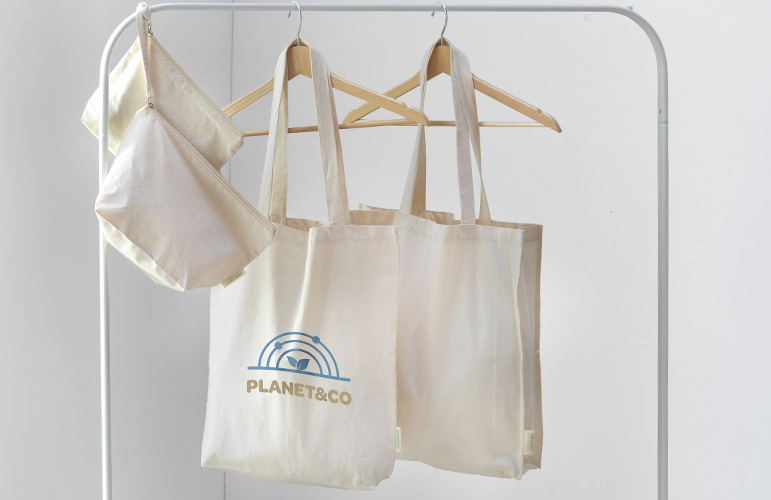
In merch, cotton shows up in tees, hoodies, polos, hats, and bags. It is breathable, naturally soft, and easy to decorate across common methods like screen printing and embroidery. Most teams also appreciate that cotton holds color well and gets better with wear when you choose the right fabric weight and construction.
From a budget and planning standpoint, cotton offers flexibility. You can choose blends to add stretch, ring spun yarns for a finer hand feel, or heavier twills for sturdy totes. That flexibility is what makes cotton so useful for programs that need one material to cover multiple use cases, from onboarding kits to large scale event collections.
What makes cotton sustainable or not
Water and chemicals
Cotton is a natural fiber, but natural does not always mean low impact. Traditional cultivation can use significant water and synthetic inputs. Programs that limit or eliminate these inputs reduce pressure on local water systems and lower the chemical load in farming communities. When you are choosing cotton, pay attention to how the raw fiber was grown and processed, not just the final shirt or tote.
Soil health and biodiversity
Farming practices matter for long term soil health. Crop rotation, reduced tilling, and avoidance of certain pesticides support healthier soils and more resilient farms. These practices can improve yields over time and reduce the need for inputs. Certifications and improvement programs can signal progress here, but the details of each program differ. Look for clarity on what is measured and how often audits happen.
People and traceability
Sustainable cotton also means safe conditions for the people who grow and process it. Ethical labor standards, transparent supply chains, and third party audits help brands and end buyers trust what they are putting into market. In practice, most marketing and people teams do not have time to trace every bale. Instead, lean on vendor documentation and recognized standards that keep records from farm to finished goods.
Cotton options you are likely to see
Conventional cotton
This is the most common option. It offers broad style choice, reliable quality, and predictable lead times. The sustainability profile varies by region and farm practices. If you go this route, you can still make responsible choices by partnering with mills that prioritize water stewardship and safe working conditions, and by choosing quality that will get many wears.
Organic cotton
Organic cotton is grown without synthetic pesticides or fertilizers. It supports healthier soils and can reduce chemical exposure for farm workers. The most established standard here is the Global Organic Textile Standard, which covers both the organic status of the fiber and the processing stages. Organic can cost more and may offer fewer colorways or styles, but it sends a clear signal about your values and often delivers a very soft hand feel.
Recycled cotton
Recycled cotton gives a second life to pre consumer or post consumer cotton waste. It can reduce waste and save resources compared to growing new fiber. Because recycled fibers can be shorter, manufacturers often blend recycled content with conventional or organic cotton to maintain strength and comfort. If recycled content is important for your program, ask for documentation that shows the percentage and chain of custody through recognized standards.
Better Cotton and other improvement programs
Improvement programs focus on making mainstream cotton production better at scale. They train farmers, promote reduced water and chemical use, and track progress over time. The result is broader availability and less supply risk than niche options. If you need thousands of units across many sizes and colors, improvement programs can be a practical path that still advances your sustainability goals.
Picking the right cotton for your program
Start with the outcome
Before you choose a fabric, write down what success looks like for your moment. Are you trying to welcome new hires with a comfort first piece they will wear weekly, outfit staff for a high energy event, or send a thoughtful gift to senior clients that feels elevated? Your outcome will guide fabric weight, yarn type, and which cotton pathway makes sense. For example, an organic cotton tee can be a great fit for values led onboarding, while an improvement program tote can support a big conference giveaway without derailing your budget or timeline.
Decoration does the heavy lifting
Cotton is a friendly surface for decoration, but the method matters for look, feel, and longevity. Bold artwork often shines with screen printing, especially on tees and totes. For textured or elevated branding on polos and headwear, embroidery adds a lasting finish. If you want a refresher on methods and when to pick them, we have deep dives on screen printing and embroidery that walk through the trade offs in detail.
Plan for lifespan
The most sustainable cotton piece is the one people use often and keep for a long time. Choose construction and weight that match the use case. Lightweight ringspun tees are great for daily wear. Heavier fleece holds up to repeated washing. Totes in sturdy cotton canvas handle farmer market runs and daily commutes without losing shape. Keep care simple. Washing in cold water and air drying will support the fabric and decoration for longer without adding friction for the recipient.
How to verify claims without slowing down your timeline
Most teams want confidence in sustainability claims but do not want a research project. Here is a simple way to move fast and stay credible.
Ask for documentation tied to your specific order. For organic, that means certification that covers the fiber and processing stages. For recycled cotton, request proof of content and chain of custody. For improvement programs, ask how the program tracks progress and what percentage of your purchase contributes to verified improvements. Keep this documentation with your project records so you can answer internal questions later.
If you work with multiple vendors, create a shared checklist so you are not reinventing your process for every order. The checklist should include the material path you chose, the certification or program details, decoration method, and care guidance you plan to ship with the item. When everyone follows the same steps, approvals move faster and your reporting improves over time.
Balancing scale, style, and responsibility
Enterprise programs succeed when they balance what people want to wear with what your business wants to stand for. Cotton offers a wide runway to do both. You can deliver everyday comfort, hit brand colors, and still make choices that reduce impact. Sometimes that looks like an organic capsule collection for high visibility moments and a broader run using an improvement program for events. Other times you combine recycled content totes with premium cotton tees to match the tone of your campaign.
When you add new product categories, test before you scale. Send a small run to a pilot group, ask for feedback on fit, feel, and care, and then commit. This keeps surprises out of your launch and helps you zero in on the styles that will become staples in your store or gifting program.
Where Avail fits in
Our role is to make the responsible choice the easy choice. We curate cotton options that meet different goals, vet suppliers for documentation, and align decoration with how the item will be used. If you need support building a repeatable sourcing process that does not eat your calendar, our team can help you compare organic, recycled, and improvement program options side by side and confirm the paperwork to back them up. Learn more about our approach to material choices and vendor vetting on our sourcing services page.
Consistency matters too. If your program relies on a store model or recurring drops, we can help standardize fabrics and color ways across your core pieces so that the tenth reorder looks and feels as good as the first. If you want to build deeper knowledge across your team, our sustainability resources outline the questions that keep programs on track at scale.
Common questions from program owners
Will organic or recycled cotton limit my color choices?
Sometimes, yes. Fewer mills produce these materials, which can narrow the palette. If brand color precision is critical, plan ahead and sample early. You can also consider a neutral garment and pull color through decoration.
How do we talk about sustainability without over claiming?
Be specific and simple. Name the material path you chose, include any certifications in your product page or packing insert, and offer basic care guidance to extend life. Avoid broad claims. Your audience will appreciate the clarity.
What if we need thousands of units in a tight window?
Improvement program cotton may be the best fit. It offers wide availability and the credibility of third party oversight. You still get to move the needle while keeping your event or onboarding timeline on track.
Put it all together
If branded merch is part of how you build culture and reach customers, cotton will likely remain a core material in your mix. The key is matching the fiber path to your outcomes, decorating intentionally, and verifying claims in a way your team can sustain.
When you do that, your cotton choices will feel good, look consistent, and reflect the standards your brand stands for. If you want a quick refresher on decoration method fit for cotton, our posts on screen printing and embroidery cover what to expect from art prep to final wash tests.
TLDR
- Cotton remains a versatile base for apparel and totes, with strong comfort and decoration potential across program types.
- For sustainability, focus on how the fiber was grown and processed, supply chain documentation, and the realistic lifespan of the item.
- Choose among conventional, organic, recycled, and improvement program cotton based on outcomes, scale, and timeline.
- Decoration drives perception and wear rate. Match the method to your fabric and use case and keep care simple to extend life.
- Build a lightweight verification process and partner with vendors who can supply documentation quickly to keep approvals moving.

%201.avif)