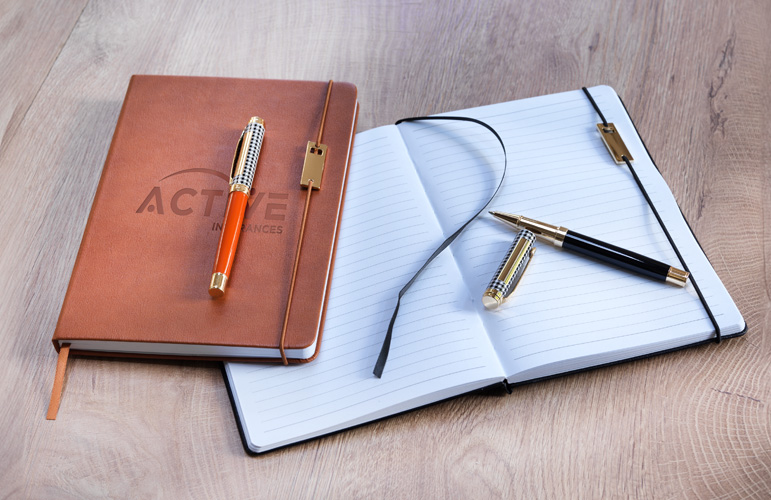

Forest sourced materials are still the backbone of a lot of great branded merchandise. Notebooks and packaging. Desk sets and drinkware accents. Retail inspired gifts that feel warm and natural. If you are building a program for thousands of people across locations, small choices on paper, wood, bamboo or cork add up. The challenge is choosing what looks good, performs well, and meets a clear bar for responsibility without adding complexity to your workflow.
Why forest sourced materials still matter in branded programs
People respond to natural texture and warmth. Wood grains and paper surfaces communicate calm, craft, and care. They often carry less visual noise than plastics, which makes your mark feel intentional. There is also practical value. Fiber based packaging can protect fragile gifts with less space. Engineered wood can create durable surfaces that age gracefully. When you select well, you get an item people keep, not a novelty that moves from box to bin.
At the same time, forests are a living system. Responsible use is not only about recycled labels or a single certification. It is about traceability, smart design, and a plan for what happens when the product reaches end of life. Leaders in Marketing and People teams do not need to be foresters to make sound choices. You only need a simple decision path, clear supplier expectations, and partners who document what they do.
What responsible forest sourcing actually means
Certification and chain of custody
Globally recognized forest certifications, like FSC and PEFC, help you confirm that material came from responsibly managed sources. They also require chain of custody, which documents how a product moved from forest through mills, converters, decorators, and on to your recipient. If you ask for certified content, ask for the specific claim and the certificate number. Consistency matters. The logo on a box only means something if the paperwork matches the item, the vendor, and the lot.
Traceability and risk hot spots
Not every item needs the same level of scrutiny. Focus effort where risk is highest. Complex composites with multiple layers. Mixed fiber boards made in regions with weak oversight. Items that pass through many decorators. For lower risk items, like a simple kraft box from a long term partner, a supplier letter and spot checks can be enough. The principle is simple. More steps require more documentation.
Material profiles for modern programs
Paper and cardboard
Paper is the unsung hero of branded experiences. It carries your story on inserts, wraps delicate finishes without scratches, and turns a standard shipper into a reveal. When possible, use recycled content for boxes, tissue, and cards. If you need premium feel, choose a heavier recycled sheet or a mix of recycled and virgin fiber from certified sources. A satin or soft touch coating can be nice, but water based finishes and uncoated stocks often feel better in hand and are easier to recycle. Design for single material where possible. Plastic windows, foam inlays, and magnets can disrupt recycling streams.
Bamboo
Bamboo grows quickly and machines well, which makes it popular for cutting boards, lids, utensil sets, and desk accessories. Look beyond the plant and check the adhesive system that bonds strips or veneers. Low emission glues are better for indoor use and reduce unwanted odor on arrival. Bamboo takes laser marks cleanly and looks great with simple line art. If your brand uses strong color, pair bamboo accents with a color pop on packaging rather than heavy surface inks on the wood itself.
Cork
Cork is harvested from bark without cutting down the tree. It has a quiet, premium feel and performs as a natural insulator. You will see it in coasters, notebook covers, and bottle accents. It accepts deboss and fine laser very well. For printed logos, keep color areas small and test for flaking on flexible surfaces. Cork blends with fabric bring warmth to tech items, but verify the ratio of cork to synthetic fiber so the surface does not peel over time.
Engineered wood and composites
Plywood, MDF, and other engineered boards give you dimensional stability for bases, frames, and organizers. Ask for formaldehyde emissions information and prefer low emission options for indoor items. Edge finishing matters. A clean sanded edge with a light oil or water based seal can look more premium than a thick varnish. If a piece will live on a desk, consider a removable felt pad rather than a permanent rubber foot to keep single material options open for end of life.
Fiber based textiles
Wood pulp based fibers like lyocell can deliver soft hand feel in apparel and linens. If you explore these in a merch program, ask for closed loop solvent recovery and reputable certification. Keep trims minimal to maintain recyclability and comfort. If your use case is short term, consider whether a keepsake paper good or a hard good might deliver more lasting value than another tee.
Design choices to reduce footprint and lift perceived value
Right sizing beats overbuilding
Space is carbon. A compact box reduces material use and shipping emissions and increases the chance the kit lands on a recipient desk, not a mail room reject shelf. Design inserts to protect key surfaces without foam. Nest items to minimize void fill. A well sized kit feels intentional and premium while using fewer inputs.
Decoration methods match the material
Decoration is where many programs add waste without realizing it. On wood and bamboo, a clean burn from laser can replace heavy inks and secondary coatings. It is precise, durable, and does not add a layer that can complicate recycling. If you want to learn how the method affects finish and lead time, this short guide to laser on natural materials can help you set expectations without guesswork: Laser Engraving.
Color restraint reads premium
Natural materials already bring character. One color marks often read more premium than full color floods on wood or cork. Use packaging to carry your brand palette. A color wrap, a ribbon, or a card can create a stronger reveal without coating the product in heavy ink.
Plan for clean removal
Use water based adhesives for labels and choose stickers that remove cleanly. People keep items longer when they are free of residue. When items last, your brand lasts.
Packaging and end of life
Packaging is your first impression and your end of life plan in one place. Choose mono material where you can. A paper wrap instead of a plastic bag. A molded pulp tray instead of foam. If you need protection against moisture for ocean freight, consider a minimal inner bag rather than shrink on each unit. Include a short note on how to dispose of the packaging. This is not a claim. It is a courtesy that helps recipients do the right thing.
For the product itself, think in terms of separation. A wood lid with a silicone ring can be disassembled. A bonded wooden sleeve on a bottle likely cannot. Removability keeps options open later. Instruct your teams to avoid mixing materials unless there is a clear functional reason.
Governance and supplier partnerships
A good policy is short and enforceable. Define allowed material types, required documentation, and decoration methods for natural surfaces. Ask suppliers to keep chain of custody records and offer alternatives when a certified option is not available. Then measure compliance on a simple checklist during proof and pre production. You do not need to audit every link for every order. You need a rhythm that finds issues early and prevents repeat mistakes.
Partners make this easier. Work with a sourcing team that pre vets mills, consolidates documentation, and translates specs into factory ready work orders. If you want a quick overview of how that handoff works for program scale, see how an expert team approaches material vetting and supplier selection here: Sourcing Services.
Bring forest materials into your swag program with intent
Think in campaigns and product families. A bamboo desk line with a tray, pen, and wireless stand that share the same grain tone. A set of recycled paper notebooks and cards with one consistent font and mark. A hospitality kit that uses cork across coasters and a simple bottle accent. Families create cohesion at scale and reduce one off purchasing that drives waste.
At program level, track what people keep. Items that win a spot on a desk or shelf are your benchmark. If you want ideas on how to tie creative choices to outcomes you can show to leadership, this playbook is a useful place to start: Swag Programs with Measurable Outcomes.
Measure what matters and avoid greenwashing
Skip vague claims. State what you can prove. Certified material content with the correct claim. Recycled percentage for paper and boxes. Low emission adhesive use where appropriate. A short list of proof points beats a paragraph of slogans.
Focus on three measures you can track quarter over quarter. Share of certified fiber in paper and packaging. Share of decoration methods that do not add a coating to natural surfaces. Share of kits that ship mono material packaging. Set a baseline, then move them by project. Publish results internally so your teams see progress and contribute ideas.
When you need to go deeper, simplify. Ask your partner to provide one page summaries for high volume items that show sources, processes, and end of life guidance. Keep them in your brand library so future teams inherit decisions with context.
A note on cost and availability
Market prices and lead times fluctuate for paper, bamboo, and wood. Plan for buffers on large initiatives and develop an A plan and a B plan that keep the recipient experience consistent even if a material shifts. The best way to protect the experience is to define the look and feel you want, not the exact substrate. That gives your sourcing team room to adapt without compromise.
Where Avail fits
If you want a responsible path without extra work, Avail integrates material guidance into day to day decisions. We standardize what should be standard, then leave room for creative moments that delight. You can review more about our commitments and how they show up in projects here: Sustainability at Avail.
The point is not to turn your merch program into a forestry seminar. It is to make a few smart choices, document them, and stick with them long enough to see results. That is how responsible practice becomes normal practice.
TLDR
- Use certified and traceable forest materials where they matter most and match documentation to each item and lot.
- Design for single material packaging, right size kits, and decoration that respects natural surfaces.
- Favor bamboo, cork, recycled paper, and low emission engineered woods, and validate adhesives and finishes.
- Create product families and acceptance ranges to keep scale work consistent and on time.
- Measure a few simple indicators and publish progress. For help, see Avail guidance on sourcing, decoration choices, and our approach to sustainability.

%201.avif)