
Making Sense of Plastic in Branded Merchandise
Plastic is not a single material or a single sustainability story. It can be durable, light, and safe for contact with food. It can also be hard to recycle, confusing to label, and easy to overuse. If you manage a merch program for a growing brand, your job is to convert all of that complexity into clear choices that match your values and your budget.
This guide breaks down how to choose better plastic options, when to avoid plastic altogether, and what to ask before you approve a product. The goal is simple. Fewer regrets and more items that get used again and again.
The Role of Plastic in Merch Programs
Where Plastic Makes Sense
Plastic shines when you need durability without weight. Think drinkware that will not shatter in a bag, tech accessories that protect a device, or pens that write cleanly without lint. These items can have a long service life if they are built well and decorated to last. When they stay in use, you avoid the waste that follows from one and done giveaways.
The Sustainability Variables That Matter
There is no single measure that makes a plastic product sustainable. Look at the full picture.
- Material makeup. Virgin plastic, recycled content, or bio based each have pros and cons.
- Design decisions. Single material parts are easier to recycle than mixed material assemblies. Durable decoration beats a finish that flakes.
- Sourcing practices. Traceable recycled content or verified ocean bound plastic is stronger than a loose marketing claim.
- Use phase. The longer an item is used, the better its environmental story becomes.
- End of life options. Repairability, spare parts, and clear recycling instructions all help.
Know Your Options: Common Plastic Families
Recycled Content Plastics
Recycled plastics can reduce demand for virgin resin and support circular systems. The most common in branded goods are recycled PET, recycled PP, and recycled ABS.
What to like
- Supply is improving and pricing has become more stable in many regions.
- Quality can match virgin plastic for certain uses when the source is good.
What to watch
- Ask for chain of custody or recognized certifications for recycled claims. Look for evidence such as material declarations that tie to a batch, not just a catalog note.
- Color consistency can vary in recycled resins. If your brand color is strict, ask for pre production samples.
- Food contact items require extra diligence on compliance and additives.
Bio Based and Compostable Plastics
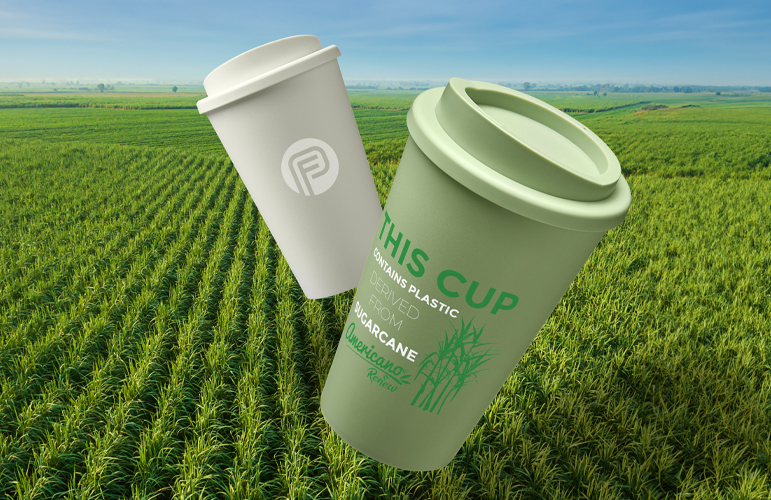
Bio based plastics use renewable inputs like corn, sugarcane, or cellulose. Some are drop in equivalents to familiar resins, while others, such as PLA, come with specific use and disposal requirements.
What to like
- Bio based content can help decouple material use from fossil inputs.
- For single use packaging or liners, compostable options can make sense within an actual compost collection system.
What to watch
- Compostable does not mean it will break down in a backyard or a landfill. Industrial facilities are often required, and access varies by city.
- Heat sensitivity can limit use cases. A PLA cup that warps in a hot car will not drive brand love.
Engineered Plastics for Long Use
Some plastics are engineered for clarity, strength, and impact resistance. Materials like copolyester used in many premium bottles are built to survive repeated use. For food and drink items, confirm BPA free and food contact compliance. Durability here is the point. The most sustainable bottle is the one that does not crack after a week.
Ocean Bound and Collection Based Plastics
Ocean bound or collection based plastics are gathered from areas where waste is likely to enter waterways. The promise is compelling, but claims vary in rigor.
What to ask
- Collection radius and criteria used to define the source
- Traceability and verification methods
- Blend percentage in the finished resin, not just in a component
Design Decisions That Lower Footprint
Keep the Bill of Materials Simple
When a product uses fewer material types, it is easier to repair and easier to recycle. A single resin body with a standard fastener beats a multi layer assembly glued together. If the lid breaks, can it be replaced. If the cable frays, can it be swapped without trashing the whole unit.
Choose Decorations That Last
Decoration can extend or shorten an item’s life. A print that cracks or peels makes a product feel worn out even if it is mechanically sound. For hard goods, consider decoration methods that bond cleanly and wear well. For example, engraving can be crisp and durable on steel or treated surfaces. If you are curious how it compares to other methods, our overview of engraving pros and cons explains the trade offs in plain language. You can explore more in our guide to laser engraving.
On drinkware and food contact items, ensure the chosen method does not introduce materials that create compliance concerns. The finish should be certified for its intended use.
Right Size Packaging and Kitting
Packaging carries a quiet impact. Choose recyclable or recycled content boxes, right size the dimensions, and skip excess void fill. Printed areas can be minimal, and one color generally does the job for wayfinding and brand presence. If you are assembling sets, a kitting plan that reduces redundant packaging saves material and shipping volume. Our team can advise on efficient assemblies. Learn more about thoughtful bundle building with our kitting services.
What to Ask Before You Approve a Plastic Item
Build a simple checklist for your team and your suppliers. The following prompts cut through most of the noise.
- Material specifics. What resin is used in each part, and what recycled or bio based content is verified
- Compliance. What standards does it meet for its intended use, including food contact or electronics safety
- Decoration durability. Which method is used, how many wash cycles or abrasion cycles has it been tested for, and what is the expected wear pattern
- Repair and replacement. Are there spare parts like lids or cables, and how are they sourced if needed
- End of life. Can the item be disassembled, and how should materials be sorted for recycling
- Packaging. What is the box made of, how much ink coverage is on the box, and is there unnecessary plastic wrap
When Plastic Is the Wrong Choice
There are moments when a different material solves the real problem better.
- Short life gifts. If an item is only useful for a few minutes, rework the concept or skip it. A well written note beats a throwaway trinket.
- High heat or harsh cleaning. Some plastics will deform or haze under those conditions. Glass or steel may be smarter.
- Premium desk presence. Wood, ceramic, or metal can elevate perceived value for recognition programs or executive gifts.
Minimalism is a valid strategy. Reducing the number of items can lower spend and improve sentiment, especially when the remaining pieces are thoughtful and built to last.
How Avail Fits In
We are not here to tell you that every plastic is good or bad. We are here to help you make better choices forward. That can mean nudging a product spec toward a recycled resin with strong documentation, recommending a decoration method that will hold up in the wild, or consolidating packaging so you ship less air.
If you want to see how we think about environmental goals across categories, visit our sustainability page. If you need hands on help to operationalize the plan, our team can co write your standards and bring them to life across vendors and categories.
Common Myths, Clear Answers
Myth: Compostable means it breaks down anywhere
Most compostable plastics require industrial conditions. Without that access, the claim does not deliver. Choose compostable only where the disposal path is real.
Myth: Recycled automatically equals better
Recycled content is positive when quality is high and documentation is sound. If a recycled item fails early, you are back to buying twice. Balance content with durability.
Myth: The greenest choice is always the newest material
Sometimes the greenest choice is a familiar resin used well, or a design that removes a part entirely. Do not overlook simple wins.
Decision Flow You Can Share With Your Team
If you want a fast gut check, use this sequence when you consider a plastic item.
- Will people actually use this, and for how long
- If yes, is there a non plastic material that performs better
- If plastic fits, which resin and content option matches the use case
- Can we decorate it in a way that endures
- Is the packaging right sized and curbside friendly
- Do we have clear disposal or repair guidance to include
Answering these questions honestly will get you close to the right call most of the time.
Bring It Together
Sustainable plastic choices are possible when you prioritize longevity, clear documentation, and simple design. The result is a program that delivers items people keep, not items they toss. If you would like a partner to help you operationalize these ideas across campaigns or across regions, we are here to support. Start with an initial conversation, or explore our references and approach on the sustainability and sourcing pages.
TLDR
- Pick plastic when it delivers long use and skip it when another material performs better
- Favor recycled content with real documentation, and use durable decoration that does not shorten product life
- Simplify designs for repair and recycling, and right size packaging to cut waste
- Standardize your specs, run small pilots, and measure outcomes you can see in the field
- Use partners who can help turn your goals into clear procurement guardrails and vendor deliverables


%201.avif)